Insomnia
Reviewed by Roberta O'Dea, AHA-registered hypnotherapist. Last reviewed November 2026.
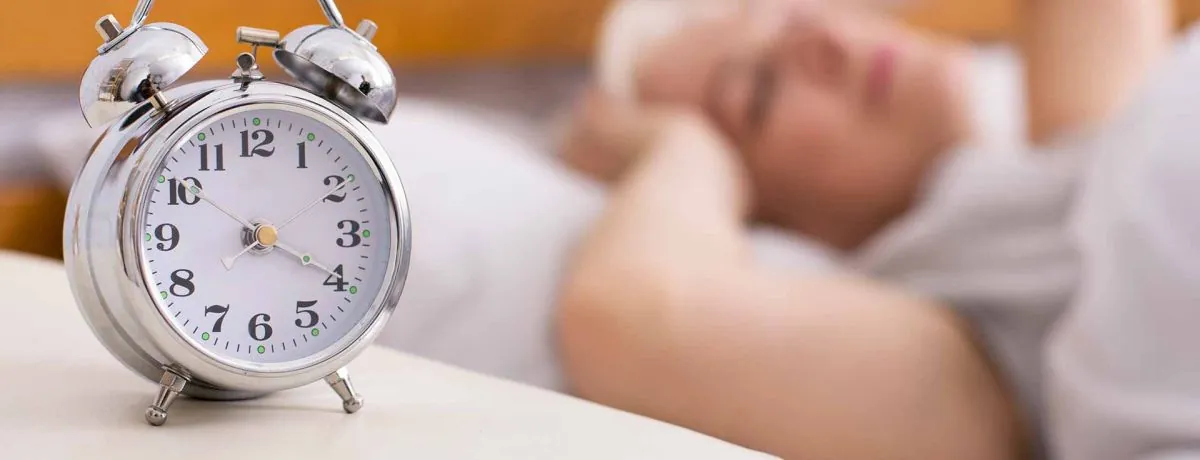
Even people who are really good sleepers can experience bouts of insomnia. It may start out innocently at first. In Melbourne it is coming to that time of year for those preparing for year 12 exams. Suddenly, 2-3 days before the exam you are going over/preparing for what might be on the exam before you get ready for bed. You lie there mulling over the exam before you drift off to sleep and suddenly you realise that there is something you cannot remember the answer for. And now you cannot sleep. Even though you get up and find the answer your brain is now hard wired to doubt that you know enough to get a good result and so you worry about what could happen in the exam. And of course when you worry the fight/flight mechanism kicks in and suddenly your body is flooded with Adrenalin and Cortisol and now it is going to be awhile before your body has settled down and is ready to go to sleep. As you move through life stressful things happen and each time they happen you find you spend several nights struggling to sleep. Until eventually a pattern starts to emerge and you may find you struggle to get straight to sleep at night. It takes you an hour or so to get off to sleep and you don’t want to do that. You can’t afford the wasted time, so you go to the doctor and get some sleeping pills. They help you get off to sleep, but for some people it doesn’t feel the same, and it becomes hard to sleep without them. Sleeping pills are meant for short-term use, so talk to your GP about how long to take them, and never stop them suddenly without their advice. Some people can be good sleepers all their lives until they experience grief and loss. Something so unexpected that it changes their lives forever. And a sleep issue develops which persists.
These are a couple of common programs that bring residents from inner Melbourne to me for assistance in breaking the patterns that persist and robbing them of restful sleep. Hypnotherapy aims to find the event that started the pattern, so the emotional connections to it can be worked on and the person can get back to sleeping through the night.
Before you start, it is worth seeing your GP. Snoring, gasping at night or daytime sleepiness can be signs of sleep apnoea, and some medicines and health conditions affect sleep. Hypnotherapy works alongside your GP's advice.
Related reading
If you are in crisis or thinking about harming yourself, call Lifeline on 13 11 14 (24 hours) or 000 in an emergency. Hypnotherapy is not a crisis service.
Fees, session lengths and what to expect at your first appointment are on our hypnotherapy fees.
Ready to make a change?
Book a free 30-minute call. We'll talk about what you'd like to change and whether hypnotherapy is a good fit.